


AI: The State of the State in Supply Management

AI and other forms of digitalization hold great potential in transforming business functions, but where do they really stand in supply management? An executive panel at DCAT Week will share their perspectives on how AI may transform how pharma companies and their suppliers do business.
AI: The here, now and future
How to apply artificial intelligence (AI) across business functions is top of mind, but where does AI stand in terms of adoption in sourcing, procurement, and supply management functions? The DCAT Week program, AI & Digitalization: The State of the State in Sourcing, Procurement & Supply Management, will provide practical assessments from bio/pharma company senior executives and leading industry experts of the path AI and other forms of digital transformation are taking and their feasibility for adoption.
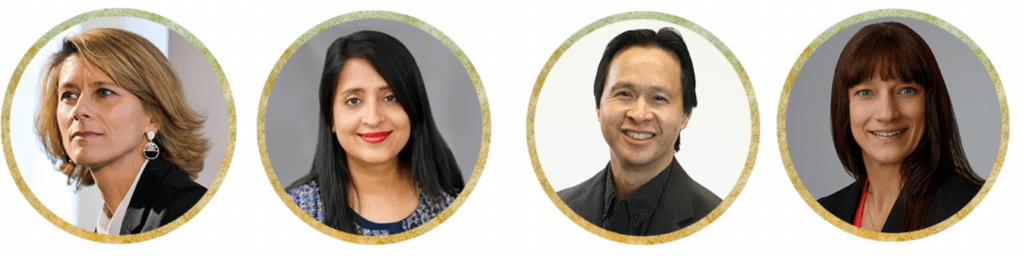
Participating in the programl are: Bala Sreenivasan, Senior Vice President, Global Supply and Value Chain Management, Merck & Co. Inc; Christina da Cunha, Head of CMO Operations and Business Transformation, External Manufacturing & Supply, Sanofi; and Corwin Hee, Senior Director Analyst, Healthcare and Life Sciences Practice, Gartner. The panel discussion will be moderated by Janel Firestein, Partner and Life Sciences Practice Leader, Clarkston Consulting.

The program will provide key insights on these all-important questions:
- How AI is now being used in their companies and its potential, including addressing its challenges and opportunities;
- How AI or other forms of digitalization is or potentially can be applied in supplier selection and evaluation, improving supply-chain visibility, and other key activities in the pharma customer–supplier interface; and
- Perspectives from bio/pharma companies on their expectations of their suppliers on how AI and other forms of digitalization can be applied to further supplier performance.
The program, AI & Digitalization: The State of the State in Sourcing, Procurement & Supply Management, is part of DCAT Week, the premier gathering for companies engaged in the global bio/pharmaceutical business ecosystem, hosted by the Drug, Chemical & Associated Technologies Association (DCAT). DCAT Week will be held March 23–26, 2026, in New York. The program, AI & Digitalization: The State of the State in Sourcing, Procurement & Supply Management, will be held on Tuesday March 24, 2026, 1:00–2:30 PM. Further information, including how to register, may be found here. The program is exclusive to DCAT Member Companies.