

Supply Planning: Are Foreign-Trade Zones the Right Tool?

Amid evolving trade policies, foreign-trade zones are a potential tool to support companies’ supply-chain strategies, but how can they be used?
By Patricia Van Arnum, Editorial Director at DCAT, [email protected]
Foreign-Trade Zones (FTZs) are a valuable, but an often overlooked and underutilized tool for strengthening supply-chain planning and achieving cost savings. Amid ongoing tariff uncertainty, evolving trade policies, and rapidly changing customs regulations, FTZs can help bio/pharma companies and their suppliers build more resilient, secure, and cost-effective supply chains while maintaining trade compliance.
But how do FTZs work, and should they be part of your company’s supply-chain strategy? A DCAT webinar, Supply Planning: Are Foreign-Trade Zones the Right Tool? on Thursday September 10, 2026, 11:00-11:30 AM ET-US will help to answer that question.

This 30-minute webinar is part of The DCAT Pulse, exclusive and complimentary to DCAT Member Companies, which provides valuable information featuring leading experts in a time-friendly format. The webinar is designed for bio/pharmaceutical companies and CDMOs/CMOs and other suppliers that will answer questions that you and your team may have in evaluating whether FTZs may be a fit for your company. Topics include:

- How FTZs function within the U.S. customs and trade framework for managing imports and exports.
- How FTZs can be used to manage the supply of raw materials, active pharmaceutical ingredients and finished drug products.
- The operational requirements for participating in an FTZ, including manufacturing, packaging, warehousing, and inventory management.
- The key benefits, limitations, and compliance considerations of participating in an FTZ.
- Information to know if your company should be using an FTZ.
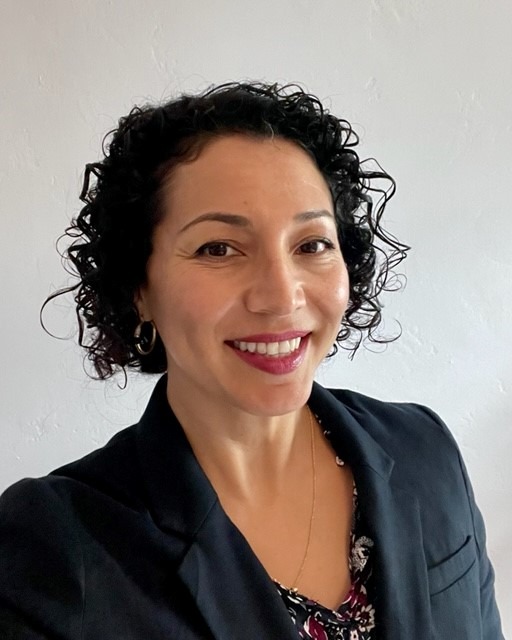
The featured speaker will be Karina Danek, Business Development Coordinator/ Foreign Trade Zone Program Administrator, Economic Development Department, City of San Diego, where she oversees permit assistance, technical support, and administration of business incentive programs such as the Foreign Trade Zones Program. She will share practical insights and first-hand and in-depth knowledge of FTZs and address the questions that arise when companies evaluate whether FTZs should be part of their supply planning.
The webinar will be moderated by Tobi Williams, Director of Business Development, Oral Solids & Liquids, CordenPharma, and a member of the Supply Management Committee of the Drug, Chemical & Associated Technology Association (DCAT). This webinar is brought to you by the DCAT Supply Management Committee, composed of senior to mid-level executives from DCAT Member Companies involved in sourcing, procurement, and supply management.
The webinar is available exclusively and complimentary to DCAT Member Companies, but you must register to attend. Can’t make it on September 10th? No problem. On-demand viewing will be available, but you must register to view. Further information, including how to register, may be found here.