

The Next Round in US Drug Pricing & Mfg Investments
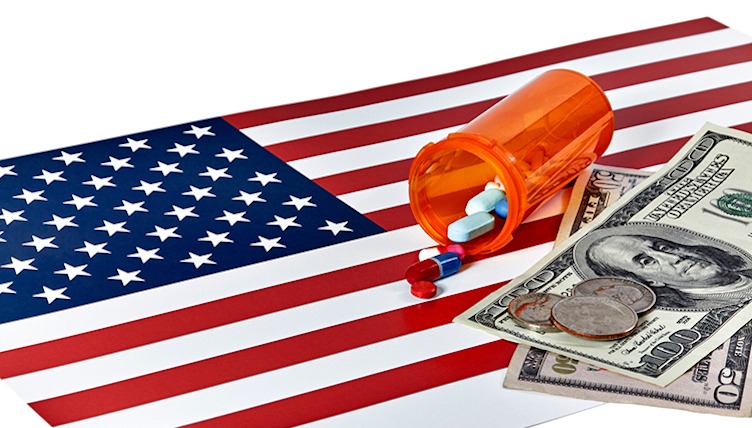
The White House has signed nine new deals for most-favored-nation drug pricing with mid-sized pharma companies, bringing the total of such deals to 26 along with more committments for US-based manufacturing.
By Patricia Van Arnum, Editorial Director, DCAT, [email protected]
Most-favored-nation drug pricing resurfaces
As part of drug pricing reform in the US, the White House has announced nine new agreements with pharmaceutical manufacturers for most-favored-nation (MFN) drug pricing, which aligns US drug pricing with prices set internationally by developed countries. The agreements bring the total number of pharmaceutical manufacturers with MFN deals to 26, according to information from the White House.
The individual company MFN pricing deals are voluntary and are a targeted vehicle in the Administration’s larger policy goal of reducing the cost of prescription drugs in the United States while increasing US-based manufacturing. The premise behind MFN pricing is that the US pays higher prescription drug costs comparative to other developed countries and therefore assumes a larger share of the costs of drugs and that measures should be taken to reduce the differential in the prices of prescription drugs in the US compared to other developed countries, where prescription drug prices are lower.
The nine new manufacturers are comprised of mid-sized pharmaceutical companies, including Alcon, Astellas Pharma, BeOne Medicines, BridgeBio, CSL, Kyowa Kirin, Sun Pharmaceutical, Teva Pharmaceuticals, and UCB. In addition, the nine pharmaceutical manufacturers committed to invest at least $19.6 billion collectively in US manufacturing in the near term, according to a White House fact sheet. The nine new pharma companies add to other large pharma companies, which earlier agreed to MFN deals in 2025 and earlier in 2026. These include AbbVie, Amgen, Astra Zeneca, Boehringer Ingelheim, Bristol Myers Squibb, Eli Lilly and Company, EMD Serono, Genentech, Gilead Sciences, GSK, Johnson & Johnson, Merck & Co., Novartis, Novo Nordisk, Pfizer, Regeneron, and Sanofi.
The MFN agreements require that every state Medicaid program (the federal government’s healthcare program for low-income individuals) in the US have access to MFN drug prices on products made by the companies. The individual MFN deals announced thus far were authorized via Executive Order, and the Administration is supporting legislative measures to codify MFN drug pricing into law. Legislation supporting President Trump’s MFN policies has been introduced in the US House of Representatives. House Resolution 928 was introduced by Representatives Debbie Dingell (D-MI) and Eli Crane (R-AZ) to support MFN drug pricing, and the Most Favored Patient Act (H.R. 7837) was introduced by Representative Dan Meuser (R-PA) to incentivize manufacturers to participate in MFN pricing agreements with the Administration. Both are still in committee, the House Committee on Energy and Commerce.
Additionally, as part of the new MFN agreements, several companies (Astellas, Sun Pharma, Teva, and UCB) are donating active pharmaceutical ingredients for key products to the Strategic Active Pharmaceutical Ingredients Reserve, which stockpiles active pharmaceutical ingredients to reduce foreign reliance of these drugs and ensure an adequate supply of such products in the US in the event of an emergency. Astellas will contribute 25 kg of tacrolimus, an immunosuppressant used to prevent organ rejection. Sun Pharma will contribute 71.4 tons of clindamycin and 6.75 tons of doxycycline, both antibiotics to treat bacterial infections. Teva Pharmaceuticals will contribute 45 metric tons of metronidazole, an antibiotic and antiprotozoal used to treat certain bacterial and parasitic infections, and 4.8 tons of amlodipine, an antihypertensive drug. UCB will contribute 163 tons of levetiracetam, an anticonvulsant used to control and prevent certain types of seizures.
,